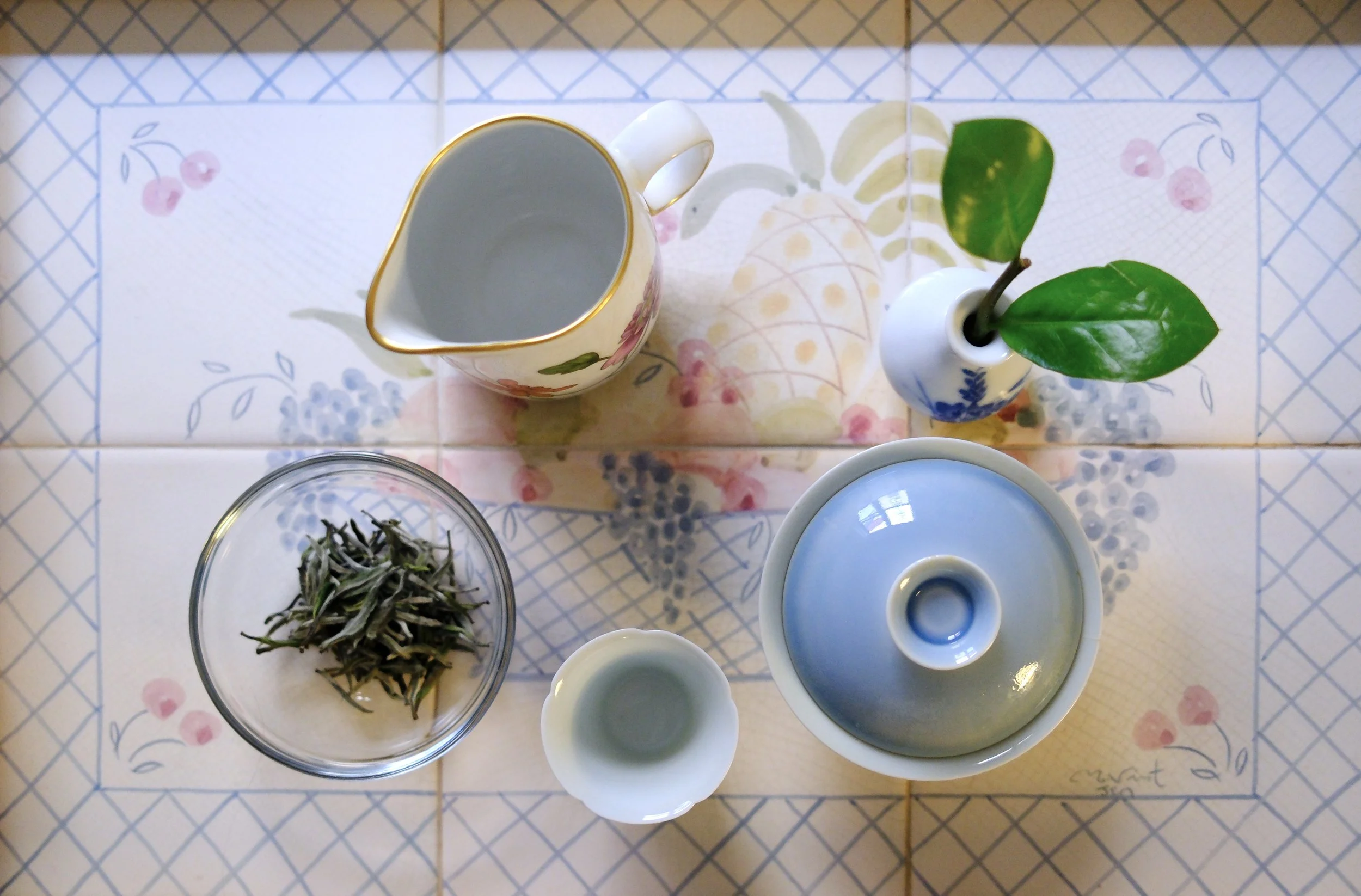
You may be wondering, “what on earth does tea have to do with service design?!”
And I understand. It took me a long time to see the connection myself. Tea isn’t just a beverage; it’s steeped in history and touches nearly every corner of the world. You could even think of it as one of the first ecosystem-wide solutions to human needs.
The practice of tea is rooted in presence, patience, and connection—the same qualities I bring to designing services, growing teams, and creating meaningful moments at work. Gongfu tea, which means “making tea with skill,” is my favorite metaphor for approaching complex design challenges with care, skill, and attention to the whole system.

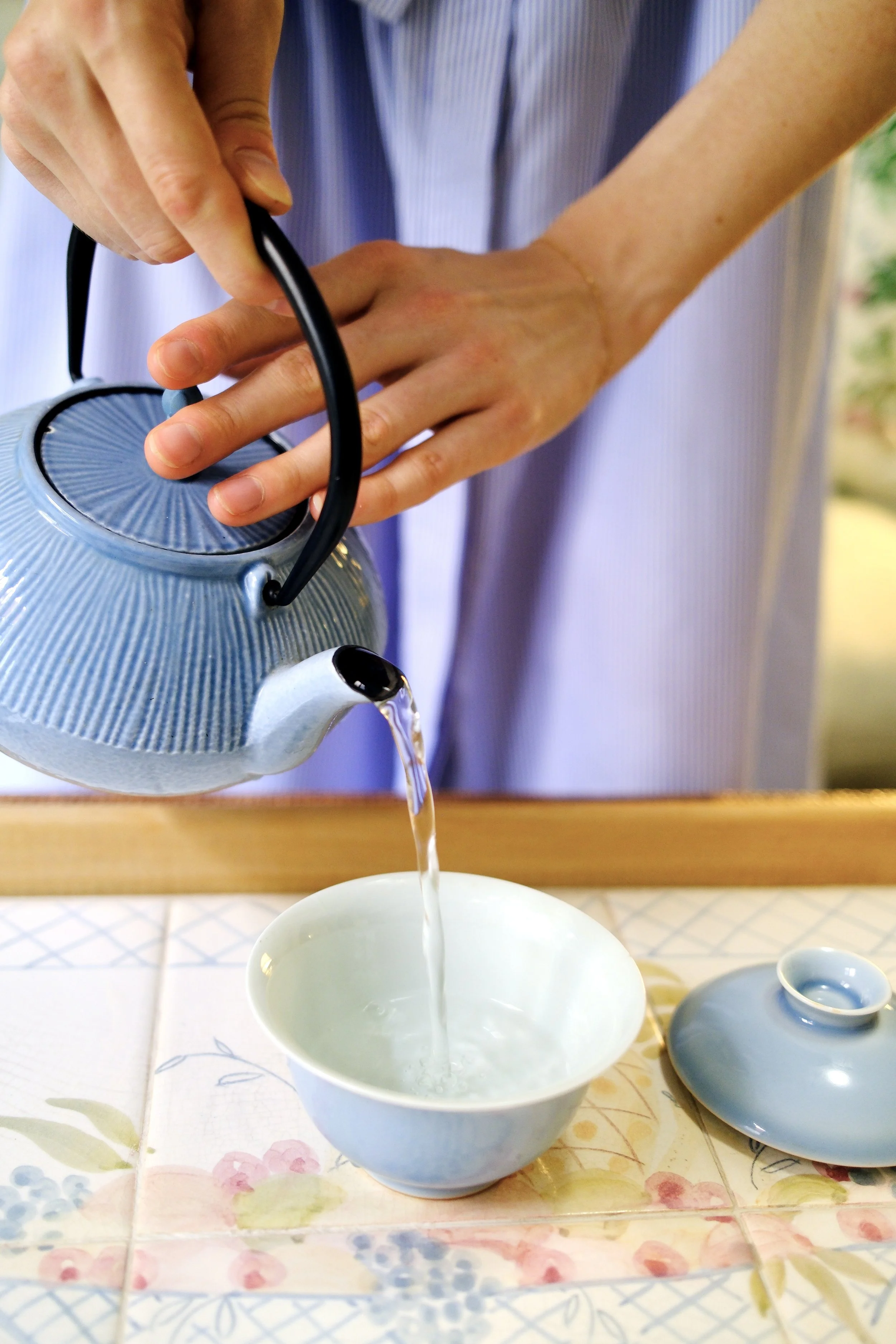
A gongfu tea session is slow, intentional, and precise, much like the best design work.
Each pour and each step requires presence, patience, and attention to the whole system, qualities I bring when guiding teams, aligning stakeholders, and shaping experiences that scale.
Tea teaches me to notice the small details without losing sight of the big picture, and I carry that approach into every project I lead.

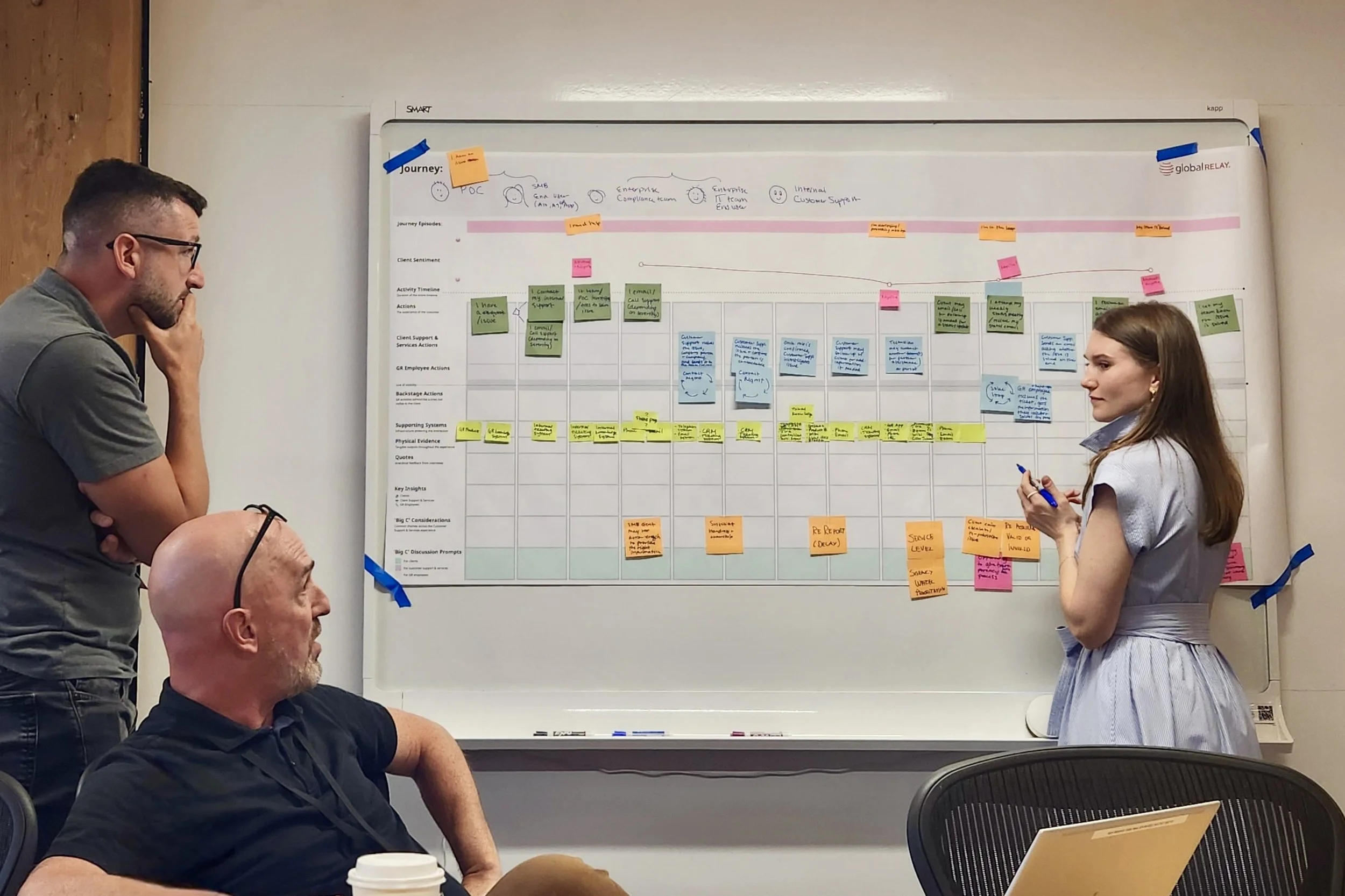
Leading with Presence, Tea, & Connection
I lead with empathy, kindness, and collaboration. I believe the best work comes from teams who feel seen, supported, and human. When you show up respecting people and understanding their strengths, they rise to the occasion and often go further than you imagined.
The same principles guide my tea practice. Gongfu tea teaches presence, patience, and attention to the whole system, which are qualities I bring to service design, team leadership, and workshops.
I often weave tea into talks and sessions to create mindful, engaged environments.

Gongfu tea has guided my design practice since I first found it. When AI began weaving its way into daily life, I wrestled with the tension. It felt like a contradiction: tea is about being present, human connection, and attention to the whole experience. How could AI belong?
What I've landed on is this: AI is most powerful when it handles what pulls designers away from that presence. Tasks like pre-synthesizing what an organization already knows, surfacing patterns buried across years of research, flagging where the real gaps are. When AI holds the weight of that groundwork, a service designer can do what they do best: whiteboarding with a team, building relationships with leadership, chasing root causes in a room full of people.
The team this makes possible is what excites me most. I'm conceptualizing a service design practice built around synthetic user twins, personas grounded in real behavioral data, and shared knowledge repositories so no designer ever starts from zero. A team like this doesn't just move faster. It gets smarter with every project, building institutional memory instead of losing it. That's the system I want to build and lead.